
Bandra / Khar West
Ghatkopar West / R City Mall
Thane West / Hiranandani Estate
Thane / Majiwada / Lodha Paradise
Thane West / Chestnut Plaza
Navi Mumbai / Kokilaben DAKC
Andheri East / Apollo Chakala
Andheri West / DLH Plaza
Safety & Care
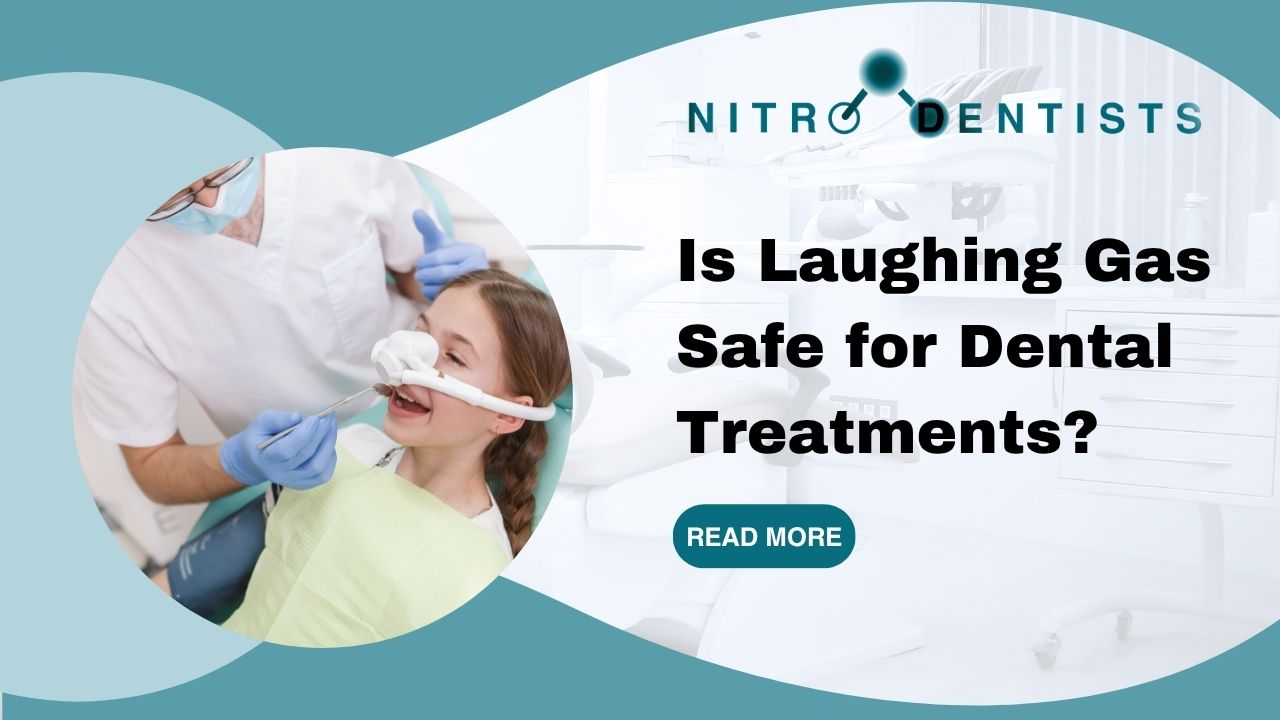
Is Laughing Gas Safe for Dental Treatments?
The Gold Standard of Relaxation
Safety is the number one priority for both dentists and patients. When it comes to managing dental anxiety, Nitrous Oxide, commonly known as "laughing gas," has been used safely in dentistry for over 150 years.
But is it safe for everyone? In this guide, we’ll dive into the facts about its safety, how it works, and why it’s the preferred choice for pediatric and adult dental care.
Safety First
The Facts: Why It Is Safe
Nitrous oxide is considered one of the safest sedatives in dentistry due to its unique properties and the way it is administered.
Controlled Administration
- Mixed with a high percentage of pure oxygen
- Dosage is customized for each patient
- Effects are reversible within minutes
- Continuously monitored by trained professionals
Gentle on the Body
- Non-allergenic and non-irritating
- Does not affect the heart or lungs significantly
- Quickly eliminated from the body through breathing
- No lingering side effects after pure oxygen inhalation
What is the Recovery Like?
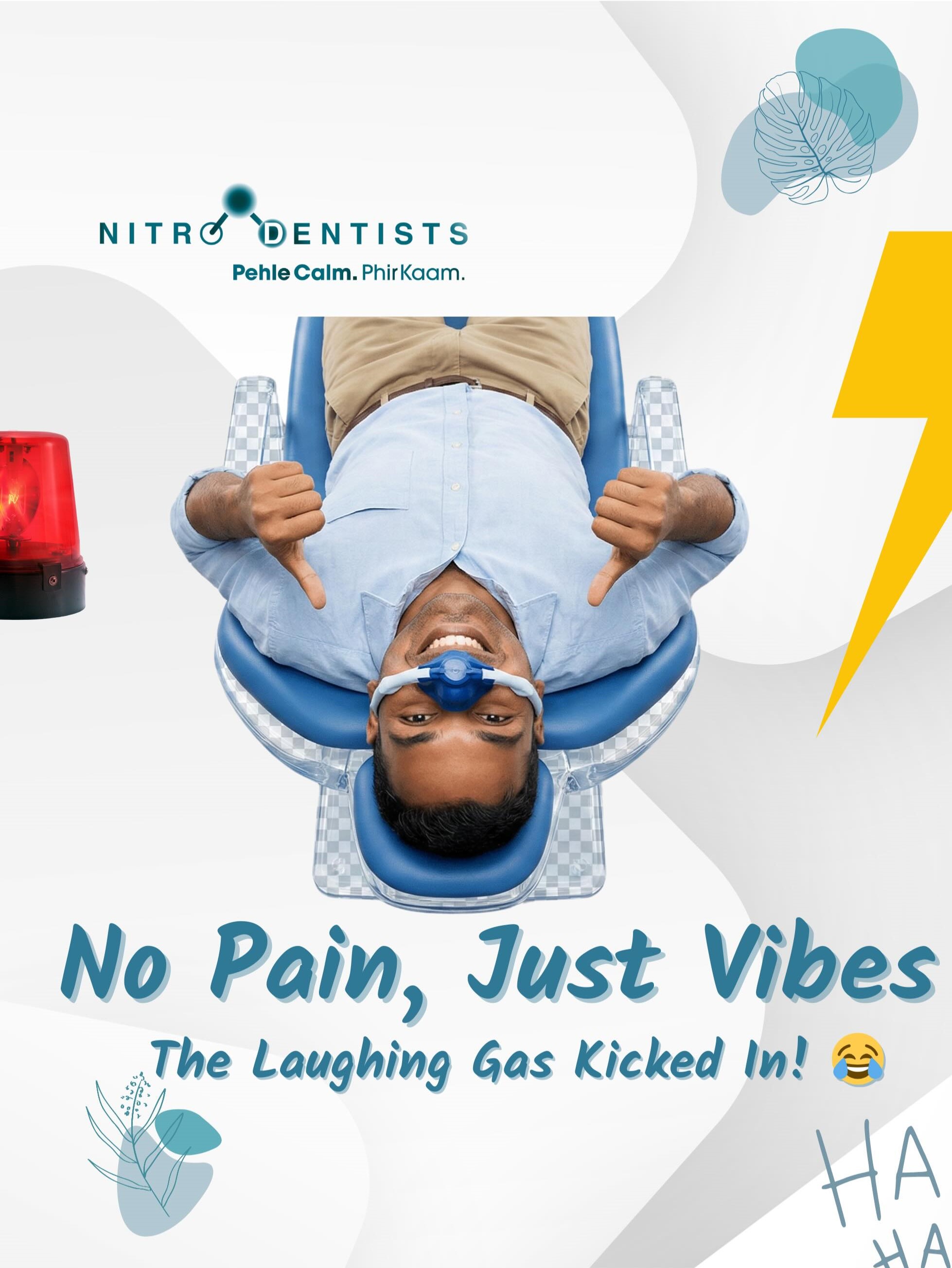
Unlike other forms of sedation, laughing gas has a rapid recovery time.
- The gas is stopped immediately after treatment.
- You breathe 100% pure oxygen for 5 minutes.
- You feel alert, focused, and ready to go.
- Bonus: Most adults can drive themselves home immediately!
This convenience makes it perfect for patients with busy schedules who need to return to work or school.
Who Should Avoid It?
While safe for most, we recommend caution or alternatives for:
- First trimester of pregnancy
- Severe respiratory illnesses (like COPD)
- Severe nasal congestion or blockage
- Certain rare vitamin B12 deficiencies
- Always inform your Nitro Dentist of your medical history.
Common Doubts
Safety FAQs
Yes! One of the biggest safety advantages of laughing gas is that it is quickly flushed from your system. After 5 minutes of breathing pure oxygen, you are fully alert and safe to drive.
Side effects are rare and mild. Some patients may experience slight nausea or dizziness if the dosage is too high, but our dentists monitor you closely and adjust the gas levels instantly to keep you comfortable.
No. When used in a controlled clinical environment by a dentist, nitrous oxide is not addictive. It is used only for the duration of the treatment and is completely eliminated from your body before you leave the chair.
Trust the Experts in Safe Sedation
Laughing gas is more than just a way to relax—it’s a safe, time-tested tool that makes modern dentistry accessible to everyone. From small children to adults with lifelong dental phobias, nitrous oxide provides a bridge to better health.