
Bandra / Khar West
Ghatkopar West / R City Mall
Thane West / Hiranandani Estate
Thane / Majiwada / Lodha Paradise
Thane West / Chestnut Plaza
Navi Mumbai / Kokilaben DAKC
Bandra / Khar West
Ghatkopar West / R City Mall
Thane West / Hiranandani Estate
Thane / Majiwada / Lodha Paradise
Thane West / Chestnut Plaza
Navi Mumbai / Kokilaben DAKC
Medical Safety & Clinical Guide
Is Nitrous Oxide Safe for Dental Procedures? Complete Safety Guide
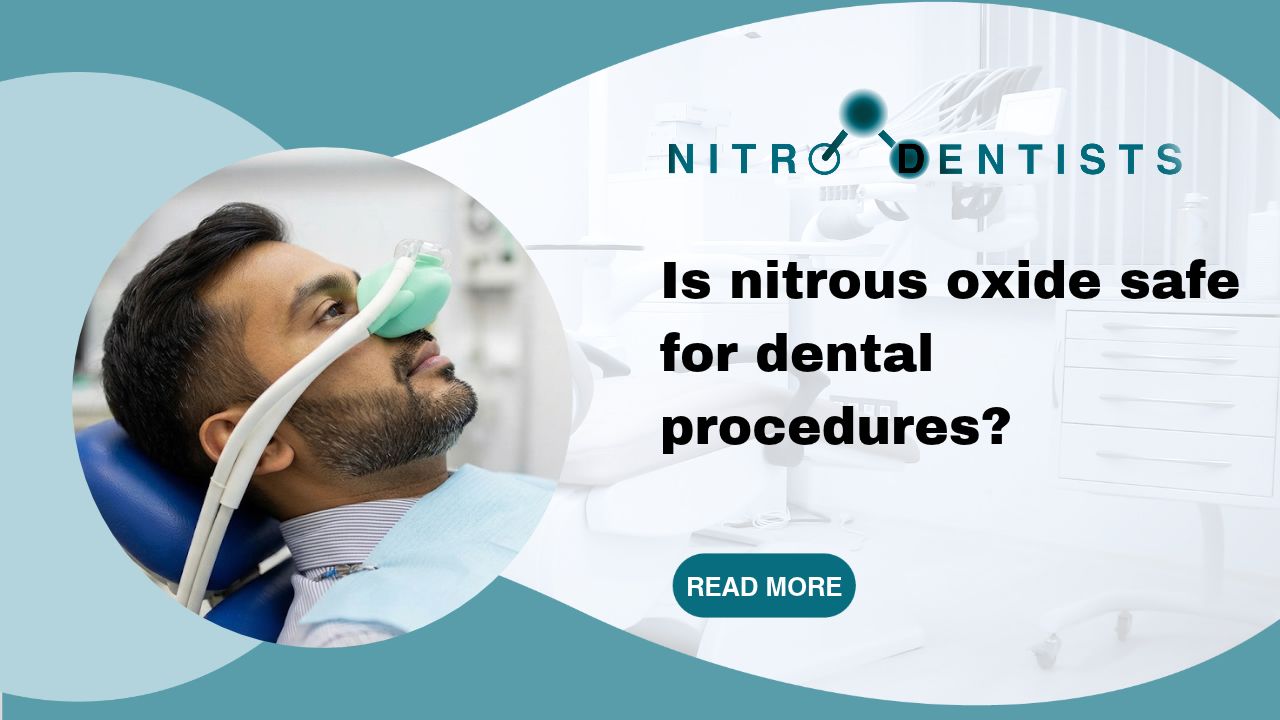
Evidence-Based Insights into Laughing Gas Safety, Precautions, and Clinical Protocols
If you or your child experience dental anxiety, the prospect of sitting in a dental chair can trigger rapid heartbeats, sweaty palms, and intense avoidance. To make appointments stress-free, modern clinics rely on nitrous oxide conscious sedation, commonly known as laughing gas. Yet, for many first-time patients, a crucial question arises: "Is nitrous oxide safe for dental procedures?"
The short, evidence-based medical answer is an emphatic yes. Recognized by the American Dental Association (ADA), the American Academy of Pediatric Dentistry (AAPD), and healthcare regulatory bodies worldwide, nitrous oxide has maintained an exceptional clinical safety record for over 175 years. It is non-invasive, does not require needle punctures to initiate, leaves no toxic metabolites in your organs, and is rapidly reversible within minutes.
Whether you need routine care such as tooth fillings, advanced therapies like root canal treatment, dental extractions, or dental implants, this comprehensive guide explains how laughing gas works, why it is so safe, its physiological profile, potential side effects, contraindications, and what safety measures are upheld at Nitro Dentists clinics across Mumbai, Thane, and Pune.
Clinical Foundations
6 Core Safety Pillars of Dental Nitrous Oxide
Why dental professionals and medical associations regard nitrous oxide inhalation sedation as the gold standard of patient safety.
Always Blended with Oxygen
Nitrous oxide is never administered alone. It is titrated with at least 30% to 70% pure medical oxygen—exceeding the 21% oxygen concentration found in natural room air.
Protective Reflexes Preserved
Because it produces minimal-to-moderate conscious sedation, you remain awake and responsive. Your natural protective airway reflexes—such as swallowing, coughing, and spontaneous breathing—remain functional under continuous clinical observation.
Minimal Biotransformation
Unlike oral sedatives or intravenous medications that require extensive breakdown by the liver and excretion through the kidneys, nitrous oxide undergoes virtually no systemic metabolism (over 99% is exhaled unchanged via the lungs).
Fail-Safe Equipment Locks
Certified modern digital delivery units have automatic mechanical stops. If the oxygen pressure ever fluctuates or drops, the system cuts off nitrous oxide flow instantly.
Rapid Reversibility
Sedation onset begins within 2 to 3 minutes, and complete recovery occurs within 3 to 5 minutes after breathing pure oxygen, leaving minimal to no residual sluggishness.
Specialist Supervision
Every administration is managed by qualified maxillofacial surgeons and trained dental professionals who continuously track pulse, oxygen saturation (SpO2), and patient comfort.
Physiology & History
How Nitrous Oxide Works & Why It Is So Safe
Nitrous oxide (N2O) is a gentle, sweet-smelling, colorless gas discovered in the 18th century and introduced to dental practice by Connecticut dentist Dr. Horace Wells in 1844. Over almost two centuries of clinical evaluation, it has proven to be the most controllable sedative agent in outpatient care.
When you inhale nitrous oxide combined with oxygen through a comfortable nasal hood, the gas passes quickly across the alveolar membranes of your lungs into your bloodstream. Because it has an exceptionally low blood-gas partition coefficient (0.47), it dissolves very poorly in blood. This unique physiological property means:
- Lightning-fast equilibration: Blood saturation is reached within 2 to 3 minutes, giving the dentist granular control over sedation depth.
- Gentle neurotransmitter modulation: It stimulates GABA receptors and releases endogenous endorphins in the central nervous system, calming the brain’s fear circuitry without inducing unconsciousness.
- Safe blood pressure and heart stability: In clinically recommended concentrations, it causes minimal to no myocardial depression or respiratory changes.
- Instant elimination: As soon as administration ends, the gas leaves blood circulation into pulmonary alveoli and is exhaled directly. Learn more about how long nitrous oxide stays in your system.
Consciousness vs. Unconsciousness
A widespread fear is that laughing gas knocks you out like hospital surgery general anesthesia. That is completely untrue:
You Are Fully Aware
You hear clinic conversations, retain memory of the procedure, and can easily tell the dentist if you need a break.
You Can Freely Converse
The small silicone mask sits only over your nose, leaving your mouth free for dental instruments and verbal communication.
Maintained Airway Reflexes
Because consciousness is preserved, patients maintain active cough and swallow reflexes, substantially minimizing airway compromise compared to deeper sedative modalities. Clinicians continuously observe breathing patency throughout the procedure.
For an in-depth exploration of this topic, read our clinical overview on does nitrous oxide put you to sleep?
Pediatric Dentistry
Is Nitrous Oxide Safe for Children?
Dental anxiety often begins in childhood following an unfamiliar or uncomfortable visit. For children with mild-to-moderate dental apprehension, sensitive gag reflexes, or the need for multi-tooth restorations, nitrous oxide is recognized by the American Academy of Pediatric Dentistry (AAPD) as one of the safest and most effective clinical tools for behavioral guidance.
01
Reduces Anxiety & Fear
Children who receive laughing gas feel calm and secure while remaining completely awake. Because nitrous oxide introduces a mild sense of altered time perception, lengthy procedures feel shorter, helping foster a positive long-term attitude toward dental visits.
02
Eases Restlessness & Protects Safety
An anxious, fidgeting child faces greater risk of accidental soft-tissue contact near delicate dental instruments. Nitrous oxide eases muscular tension and restlessness, allowing the dentist to deliver meticulous care safely.
03
Non-Invasive Inhalation
Administration involves no needles, injections, or bitter oral sedatives. Children simply inhale through a scented pediatric nasal mask (often with pleasant aromas like strawberry or bubblegum) while watching a favorite cartoon.
When It Is Appropriate
- • Cooperative children with mild-to-moderate anxiety
- • Hyperactive gag reflex during exams/impressions
- • Restorations, sealants, or minor extractions
- • Children capable of breathing through their nose
When It Is Not Suitable
- • Combative, vigorously crying children (mouth breathing prevents delivery)
- • Pre-cooperative toddlers lacking cognitive readiness
- • Severe nasal obstruction, colds, or adenoid blockage
- • Complex extensive rehabilitations requiring deeper hospital sedation
Interested in comprehensive pediatric protocols? Review our dedicated clinical guide on can children receive nitrous oxide sedation?
Preparation & Fasting Guidelines for Parents
In accordance with pediatric clinical sedation protocols (AAPD and ASA guidelines), preparing your child properly ensures maximum safety, comfort, and significantly reduces nausea risk:
- Fasting from Heavy Solids (4 to 6 Hours): To prevent gastric fullness and reduce the risk of nausea or vomiting, do not feed your child heavy, greasy, or fried meals for at least 4 to 6 hours prior to the appointment.
- Light Meal & Clear Liquids (Up to 2 Hours Prior): A light, non-fatty snack (such as a single slice of dry toast or clear broth) or clear fluids (water, pulp-free apple juice) is permissible up to 2 hours before the visit. Avoid excessive prolonged fasting, which can lead to hypoglycemia, dehydration, and irritability.
- Clear Nasal Airway: Laughing gas must be inhaled through the nose. If your child has an active cold, stuffy nose, sinus congestion, or significant seasonal allergies on the day of care, notify the clinic in advance to reschedule.
- Encouraging, Calm Communication: Explain the appointment simply as "breathing funny, sweet air through a pilot mask to help you feel cozy and relaxed."
- Prompt Post-Care Recovery: Following 5 minutes of 100% pure oxygen at the end of the appointment, most children recover quickly, subject to the clinician's discharge evaluation before leaving the operatory.
Adverse Effect Analysis
Potential Side Effects & How They Are Prevented
Clinical studies demonstrate that adverse reactions to dental nitrous oxide occur in fewer than 1% to 3% of patients, and almost all are mild and transient.
Mild Nausea
Cause: Rapid concentration fluctuations or eating a heavy meal right before appointment.
Prevention: Slow stepwise titration by the surgeon and maintaining a light meal schedule 2 hours prior.
Lightheadedness
Cause: Quick postural shift from chair recline to standing before gas fully exits.
Prevention: 5 full minutes of pure oxygen post-flush and sitting upright for a brief resting interval.
Mild Shivering
Cause: Peripheral vasodilation causing brief heat dissipation from skin surfaces.
Prevention: Controlled ambient operatory temperatures, cozy blankets, and gradual gas weaning.
Diffusion Hypoxia
Cause: Gas rapidly exiting blood into lungs, temporarily diluting alveolar oxygen if room air is inhaled immediately.
Prevention: Standard 100% medical oxygen flush for 5 minutes, substantially eliminating residual grogginess or diffusion hypoxia headaches.
Understanding the 100% Pure Oxygen Post-Flush Protocol
The gold-standard protocol in sedation dentistry mandates that at the conclusion of every nitrous oxide procedure, the dentist shuts off the N2O flow completely and administers 100% medical-grade oxygen for a minimum of 5 minutes. This post-flush protocol washes residual nitrous oxide cleanly out of the lungs, restores full alveolar oxygen concentrations, and ensures patients walk out of the clinic feeling energized, alert, and refreshed. Read our comprehensive analysis on how long recovery takes after laughing gas.
Medical Screening
Contraindications: Who Should Avoid Nitrous Oxide?
While nitrous oxide is exceptionally safe for the vast majority of patients, thorough pre-sedation medical assessment is essential to identify clinical conditions where its use must be strictly avoided or postponed.
Absolute Contraindications
Because nitrous oxide diffuses into closed gas cavities approximately 34 times faster than nitrogen leaves, it causes rapid gas expansion and pressure spikes in compliant and non-compliant body cavities. In addition, its biochemical interactions with cellular enzymes preclude its use in specific metabolic conditions:
- 1. Recent Vitreoretinal Eye Surgery (Gas Tamponade): Patients who have undergone vitreoretinal surgery involving intraocular gas tamponade (using gases such as sulfur hexafluoride [SF6], perfluoropropane [C3F8], or perfluoroethane [C2F6]) must strictly avoid nitrous oxide. Because N2O diffuses rapidly into the non-compliant intraocular gas bubble faster than nitrogen can escape, it causes sudden, dramatic bubble expansion. This can trigger an acute surge in intraocular pressure (IOP), central retinal artery occlusion, and irreversible blindness. Nitrous oxide is completely contraindicated until an ophthalmologist formally confirms that the gas bubble has completely resorbed (typically 6 to 12 weeks, depending on the specific gas used).
- 2. Vitamin B12 Deficiency & MTHFR Deficiency: Nitrous oxide irreversibly oxidizes the monovalent cobalt core of cob(I)alamin (active Vitamin B12), rendering it inactive. This directly shuts down the enzyme methionine synthase, which is required to convert homocysteine to methionine—a critical step in S-adenosylmethionine (SAM) production, cellular DNA methylation, and myelin sheath maintenance. In healthy patients with normal B12 stores, temporary enzyme inactivation is brief and harmless. However, in individuals with preexisting clinical or subclinical B12 deficiency (such as pernicious anemia, untreated long-term strict veganism, Crohn's disease, or post-bariatric surgery), or those with homozygous MTHFR (methylenetetrahydrofolate reductase) deficiency, even routine dental exposure can trigger rapid neurological deterioration (subacute combined degeneration of the spinal cord, ataxia, peripheral neuropathy) or megaloblastic hematological changes.
- 3. Severe Chronic Obstructive Pulmonary Disease (COPD): In patients with severe, end-stage COPD (advanced emphysema or severe chronic bronchitis), chronic arterial carbon dioxide retention blunts normal hypercapnic respiratory drive. Consequently, their ventilatory drive relies largely on arterial hypoxemia (hypoxic drive). Supplying high inspired oxygen concentrations (30% to 70% O2) alongside nitrous oxide can eliminate this hypoxic drive, potentially inducing respiratory depression or hypoventilation. Additionally, nitrous oxide rapidly diffuses into poorly ventilated emphysematous bullae, creating a severe risk of bullous expansion and tension pneumothorax. (Note: Mild, well-controlled asthma without acute bronchospasm is generally safe).
- 4. Other Trapped Air Cavities & Diving: Conditions with enclosed air spaces—such as recent tympanoplasty or middle ear grafting (where gas expansion can dislodge microsurgical grafts), active pneumothorax, bowel obstruction, or recent scuba diving within the past 24 to 48 hours (risk of precipitating decompression sickness)—strictly preclude nitrous oxide administration.
Relative Contraindications & Special Considerations
These conditions require specialized medical evaluation, risk-benefit assessment, or postponing elective sedation until resolved:
- 1. Pregnancy (Particularly 1st & 2nd Trimesters): Because nitrous oxide inhibits methionine synthase and temporarily suppresses cellular DNA synthesis, elective sedation is avoided throughout pregnancy, with particular caution during the first and second trimesters during critical fetal organogenesis. Nitrous oxide readily crosses the placenta. Elective dental procedures should be deferred post-partum. If urgent dental treatment is necessary during pregnancy, local anesthetics without sedation are preferred, and care should be coordinated with the patient's obstetrician.
- 2. Severe Nasal Obstruction or Active Upper Respiratory Infection: Nitrous oxide relies exclusively on nasal inhalation. If severe nasal septal deviation, acute allergic rhinitis, enlarged adenoids, or an active upper respiratory cold impedes nasal airflow, the patient is forced to mouth-breathe. This dilutes the gas with room air, rendering sedation clinically ineffective and unpredictable.
- 3. Acute Psychiatric Disorders or Severe Claustrophobia: Patients with active psychosis, severe emotional instability, or extreme claustrophobic aversion to nasal hoods may feel disoriented or panic when experiencing altered sensory sensations. In such instances, alternative behavioral approaches or non-inhalation pharmacological options may be indicated.
- 4. Recent Bleomycin Chemotherapy: Patients who have received the antineoplastic drug Bleomycin sulfate within the past 6 to 12 months are at heightened risk for oxygen-induced pulmonary toxicity and progressive pulmonary fibrosis when exposed to elevated concentrations of inspired oxygen.
Modality Comparison
Nitrous Oxide vs Oral Sedation vs IV Sedation
Compare how laughing gas measures up against other dental sedation options in safety, control, and recovery.
| Clinical Parameter | Nitrous Oxide (Inhalation) | Oral Sedation (Pills) | IV Sedation (Intravenous) |
|---|---|---|---|
| Depth of Sedation | Minimal to Moderate (Conscious) | Moderate (Twilight drowsiness) | Moderate to Deep |
| Onset Time | 2 to 3 minutes | 30 to 60 minutes | 1 to 2 minutes |
| Dose Adjustability | Instant titration breath-by-breath | Fixed once swallowed | Highly titratable |
| Recovery Time | 3 to 5 minutes | 4 to 8 hours | 4 to 12 hours |
| Self-Driving Permitted? | Yes (after dentist check) | No (Escort strictly mandatory) | No (Escort strictly mandatory) |
| Organ Metabolism | Minimal (>99% eliminated unchanged via lungs) | Metabolized by liver & kidneys | Metabolized by liver & kidneys |
| Pediatric Suitability | Excellent & First-Line (AAPD Gold Standard) | Case-by-case evaluation | Specialized hospital setup only |
Nitrous Oxide (Inhalation)
- Sedation Level: Minimal to Moderate (Conscious)
- Onset: 2 to 3 minutes
- Adjustability: Instant, real-time control
- Recovery: 3 to 5 minutes with pure oxygen
- Drive Home: Yes, once cleared by dentist
- Organ Metabolism: Minimal (>99% eliminated unchanged via lungs)
Oral Sedation
- Sedation Level: Moderate drowsiness
- Onset: 30 to 60 minutes
- Adjustability: Fixed dose
- Recovery: 4 to 8 hours
- Drive Home: Strictly prohibited (escort needed)
- Organ Metabolism: Hepatic & renal
IV Sedation
- Sedation Level: Moderate to deep
- Onset: 1 to 2 minutes
- Adjustability: Highly titratable
- Recovery: 4 to 12 hours
- Drive Home: Strictly prohibited (escort needed)
- Organ Metabolism: Hepatic & renal
Learn more about how these options compare in our clinical guide: Nitrous Oxide vs Oral Sedation.
The Appointment Process
Step-by-Step: What to Expect During Treatment
Here is how nitrous oxide sedation is seamlessly and safely delivered at Nitro Dentists clinics.
01
Pre-Sedation Medical Check
Your dental surgeon reviews your complete health history, current medications, respiratory health, and treatment plan to confirm clinical suitability.
02
Comfortable Mask Placement
A lightweight, soft silicone nasal hood is gently placed over your nose. You choose your preferred fit, ensuring normal, unhindered mouth opening.
03
Gentle Oxygen & Gas Titration
You begin by breathing 100% pure oxygen. Gradually, the doctor introduces nitrous oxide in incremental 5% to 10% steps until you feel deeply calm and comfortable.
04
Relaxed Dental Treatment
Whether having a filling, crown, or extraction, you stay deeply relaxed. Local anesthesia is administered gently after sedation takes effect using comfort-focused techniques to minimize procedural discomfort.
05
5-Minute Pure Oxygen Flush
As dental work finishes, the gas is turned off and pure oxygen is delivered for 5 minutes. This flushes every trace of nitrous oxide from your lungs and eliminates any grogginess.
06
Prompt Discharge & Resume Routine
Your specialist evaluates your alertness, motor coordination, and vital signs. Once discharge criteria are met, most patients recover quickly and can typically resume regular activities, subject to the dentist's discharge assessment.
Gentle, Comfort-Focused Dentistry at Nitro Dentists
At Nitro Dentists, patient comfort is our defining philosophy. Our dental operatories are outfitted with digital conscious sedation units, pulse oximetry tracking, Class-B European sterilization standards, and compassionate maxillofacial surgeons dedicated to conquering dental phobia.
Frequently Asked Questions
Common Questions About Nitrous Oxide Safety
Clear, evidence-backed answers to help you make informed decisions about your dental care.
Yes. Nitrous oxide (commonly known as laughing gas) is widely recognized by the American Dental Association (ADA) and global dental authorities as one of the safest sedatives in dentistry. It has been used safely for over 175 years, is non-allergenic, does not strain the liver or kidneys, and is continuously blended with a minimum of 30% to 70% pure oxygen.
No. In professional dental practices, nitrous oxide is never administered in pure form. Modern sedation equipment features calibrated fail-safe locks that deliver a minimum of 30% oxygen at all times—significantly more oxygen than ambient air, which contains approximately 21% oxygen. The machine automatically shuts down if oxygen supplies ever drop.
Yes. Nitrous oxide is considered the gold standard for pediatric dental sedation by the American Academy of Pediatric Dentistry (AAPD). It keeps children relaxed, calm, and cooperative while allowing them to remain awake and communicate, helping prevent dental fear and emotional distress. Read our guide on pediatric nitrous oxide sedation.
Side effects are rare, occurring in only 1% to 3% of patients. When they do occur, they are usually mild and temporary, such as slight nausea, mild dizziness, or a brief headache. These are prevented by avoiding heavy meals before the visit and breathing 100% pure oxygen for 5 minutes at the conclusion of treatment.
Nitrous oxide should generally be avoided by individuals with recent retinal eye surgery involving intraocular gas tamponade (SF6, C3F8), patients with severe vitamin B12 deficiency or homozygous MTHFR gene mutations, individuals with severe chronic obstructive pulmonary disease (COPD), pregnant patients (particularly during organogenesis), those with recent tympanoplasty or bowel obstruction, and individuals with severe nasal blockage that prevents nasal breathing.
Nitrous oxide clears rapidly within 3 to 5 minutes after inhaling 100% pure oxygen. Because it has very low solubility in blood and tissues, virtually 99% of it is eliminated unchanged through normal breathing via the lungs, leaving no lingering grogginess or hangover effect. Explore our guide on how long nitrous oxide stays in your system.
In many cases, yes. Unlike oral sedatives or IV sedation that linger in your system for hours, nitrous oxide wears off within minutes. Once your dental surgeon confirms that your alertness, reflexes, and vital signs have fully normalized, adult patients can often safely drive and resume everyday routines.
No. Nitrous oxide relaxes your mind, eliminates anxiety, and raises your pain tolerance, but regional numbing is still required for invasive procedures like fillings, root canals, or extractions to block direct nerve sensation. Using both together ensures complete mental relaxation and physical pain prevention. Read more in is nitrous oxide better than local anesthesia.
Experience Fear-Free Dentistry with Nitrous Oxide
Dental anxiety should never stand between you and a healthy, confident smile. Schedule a consultation with our experienced dental surgeons across Mumbai, Thane, and Pune to discover how gentle, safe conscious sedation can transform your dental visits.