
Bandra / Khar West
Ghatkopar West / R City Mall
Thane West / Hiranandani Estate
Thane / Majiwada / Lodha Paradise
Thane West / Chestnut Plaza
Navi Mumbai / Kokilaben DAKC
Andheri East / Apollo Chakala
Andheri West / DLH Plaza
Blog
Why Do Teeth Become Sensitive?
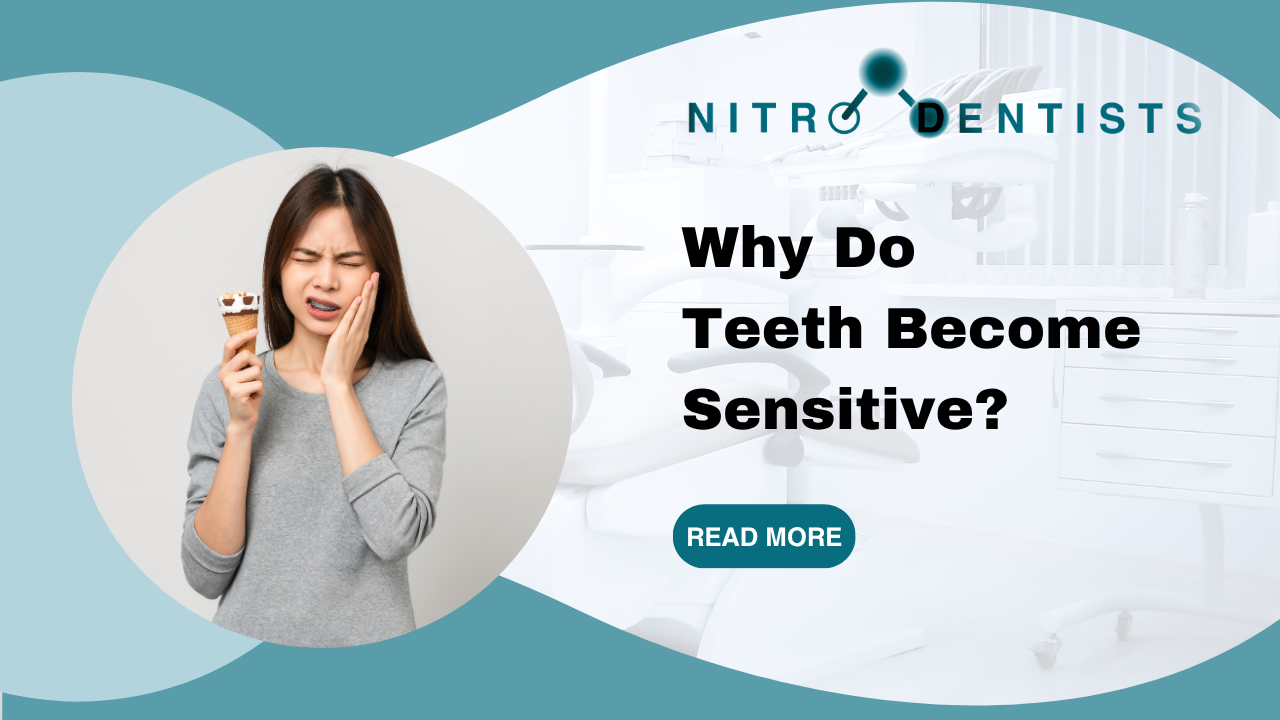
Tooth sensitivity, also known as dentin hypersensitivity, is a common dental issue that causes discomfort when eating or drinking certain foods and drinks. In this blog, we'll explore the causes of tooth sensitivity and provide effective methods to prevent and manage this condition. Understanding why your teeth become sensitive and how to treat them can help ensure a pain-free, healthy smile.
Causes
Causes of Tooth Sensitivity
1
Enamel Erosion
Tooth enamel is the hard, protective outer layer of your teeth. Over time, it can wear away due to frequent consumption of acidic foods and drinks, such as citrus fruits, soda, and vinegar. As the enamel erodes, the underlying dentin becomes exposed, which can lead to sensitivity.
2
Gum Recession
Gum recession occurs when the gums pull away from the teeth, exposing the tooth roots. Since the roots do not have enamel protection, they are more sensitive to hot, cold, or sweet stimuli, leading to discomfort.
3
Tooth Grinding (Bruxism)
Grinding or clenching your teeth, often caused by stress or sleeping habits, can wear down the enamel and cause tooth sensitivity. Over time, this can also lead to cracks or chips in the teeth, increasing the risk of pain.
4
Cavities or Tooth Decay
Cavities and decay occur when plaque, bacteria, and acids break down tooth enamel. As cavities develop, they can expose the inner dentin, leading to increased sensitivity to temperature changes.
5
Dental Procedures
Some dental treatments, such as professional cleanings, fillings, or root planing, can temporarily increase tooth sensitivity. This sensitivity typically subsides after a few days, but if it persists, it's important to consult your dentist.
6
Acid Reflux
Acid reflux, or gastroesophageal reflux disease (GERD), allows stomach acids to flow back into the mouth. These acids can erode enamel and cause tooth sensitivity, especially if the condition is chronic.
7
Use of Whitening Products
Teeth whitening treatments, whether at-home or professional, can sometimes cause temporary tooth sensitivity. Whitening products often contain hydrogen peroxide, which can irritate the enamel and cause discomfort in some individuals.
Prevention
How to Prevent and Manage Tooth Sensitivity
- Use a Desensitizing Toothpaste Desensitizing toothpaste is specially formulated to block the nerve endings in the teeth and reduce sensitivity. It helps to prevent discomfort from hot, cold, and sweet foods and drinks.
- Brush Gently with a Soft-Bristled Toothbrush Brushing too hard with a hard-bristled toothbrush can erode enamel and contribute to gum recession. Use a soft-bristled toothbrush and gentle, circular motions to protect your teeth from further wear.
- Limit Acidic Foods and Beverages Reduce your consumption of acidic foods and drinks, such as citrus fruits, sodas, and wine. After consuming these items, rinse your mouth with water to neutralize acids and help prevent enamel erosion.
- Use Fluoride Treatments Fluoride strengthens tooth enamel and can help prevent sensitivity by protecting the exposed dentin. Your dentist may recommend fluoride varnishes or treatments to help reduce discomfort.
- Wear a Night Guard If you grind your teeth at night, a custom-made night guard can protect your teeth from the pressure and prevent enamel wear. It can also reduce the likelihood of tooth fractures or chips.
- Maintain Good Oral Hygiene Brushing and flossing regularly helps prevent cavities and gum recession, which are two primary causes of tooth sensitivity. Be sure to use fluoride toothpaste and floss gently between your teeth.
- Seek Professional Treatment If tooth sensitivity persists despite at-home care, it’s important to visit your dentist for a thorough examination. Your dentist can assess the cause of your sensitivity and recommend treatments such as dental sealants, bonding, or a root canal if necessary.
Why Choose Nitro Dentists?
At Nitro Dentists, we offer comprehensive treatments for tooth sensitivity, ensuring that you receive the best care with minimal discomfort. We use Nitrous Oxide (laughing gas) to help patients feel calm and relaxed during all procedures, making your dental visit stress-free. Whether you're dealing with sensitive teeth or other dental issues, our team is here to help you achieve optimal oral health.
Our experienced professionals are equipped with the latest technology to address tooth sensitivity effectively, and our use of Nitrous Oxide ensures a comfortable, anxiety-free experience throughout your treatment.
Conclusion
Tooth sensitivity can be managed with proper care, and understanding its causes is the first step toward relief. By following preventive measures, maintaining good oral hygiene, and consulting a professional like Nitro Dentists, you can significantly reduce tooth sensitivity and enjoy a pain-free smile.