
A Clear Diagnosis First
Surgery is planned only after examination and imaging show what is wrong and where it lies in relation to nerves, sinuses and neighbouring teeth.
Surgery, monitoring or a non-surgical route: understanding when an operation is the right call
Oral and maxillofacial surgery covers operations on the teeth, jaws, face and the soft tissues of the mouth. It ranges from removing an impacted wisdom tooth to treating jaw cysts, facial fractures, jaw alignment problems and suspicious mouth lesions.
Being told you may need surgery raises a fair question: is there another way? Sometimes there is, and sometimes waiting carries more risk than operating. This guide explains how surgeons usually weigh that choice for the common conditions.

Surgery is planned only after examination and imaging show what is wrong and where it lies in relation to nerves, sinuses and neighbouring teeth.
You should hear what happens if you operate, what happens if you wait, and whether a non-surgical option exists for your condition.
Depending on the procedure, local anaesthesia, conscious sedation or general anaesthesia in a hospital may be used. The surgeon will explain which applies.

Wisdom teeth are the most common example. An impacted wisdom tooth that is causing no symptoms and no damage on the X-ray can often be monitored. Removal is generally advised when there are repeated gum infections, decay in the wisdom tooth or the tooth in front, a cyst, or pressure damage to the neighbouring root.
For jaws that do not match in size or position, braces or aligners can correct the teeth but cannot move the jawbones. Mild discrepancies are often managed with orthodontics alone. Marked ones that affect chewing, speech or facial balance may need corrective jaw surgery, usually combined with orthodontic treatment before and after.
Jaw cysts and growths generally do need removal and laboratory examination, because they can enlarge silently and weaken the bone. Facial fractures are assessed individually. Some heal with a soft diet and rest, while displaced fractures need fixing so the bite comes together correctly.
A mouth ulcer or a white or red patch that has not healed in two to three weeks should be examined, particularly in people who use tobacco or areca nut. A small biopsy is the only reliable way to know what it is. Early assessment matters here.
In every case the surgeon will confirm the plan after examining you and reviewing the scans, and will explain the specific risks, such as swelling, temporary numbness or infection, that apply to your procedure.
Get StartedGeneral patterns only. Individual advice depends on your examination and imaging.
Symptom-free, well-positioned wisdom teeth can be reviewed periodically. Teeth causing repeated pain, swelling or decay are usually removed.
Tooth-level problems suit orthodontics. Skeletal mismatches in adults may need jaw surgery along with braces for a stable bite.
Swellings, cysts and non-healing patches are generally removed or sampled so that a firm diagnosis can guide further care.
Undisplaced fractures may be managed without an operation. Displaced ones are usually repositioned and stabilised.
After wisdom tooth surgery, swelling usually peaks around the second or third day and settles in about a week. Jaw surgery and fracture repair need several weeks on a soft diet while the bone heals, with regular follow-up. Results of corrective jaw surgery are generally stable once healing is complete, though small changes can occur and retainers are still needed. Following the aftercare instructions and avoiding tobacco support healing. Recovery varies with the procedure and the individual.
That recurring archive section is preserved here using the local hospital branch assets already in the rebuilt project.
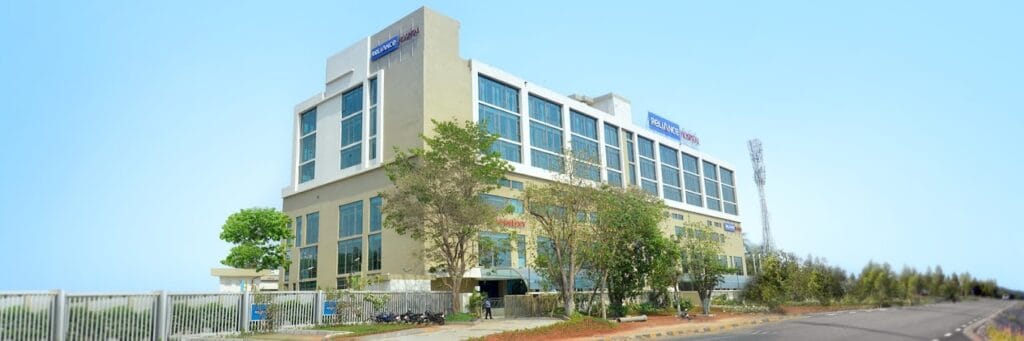

Experience the power of collaboration for enhanced dental care through our hospital alliance in Navi Mumbai.
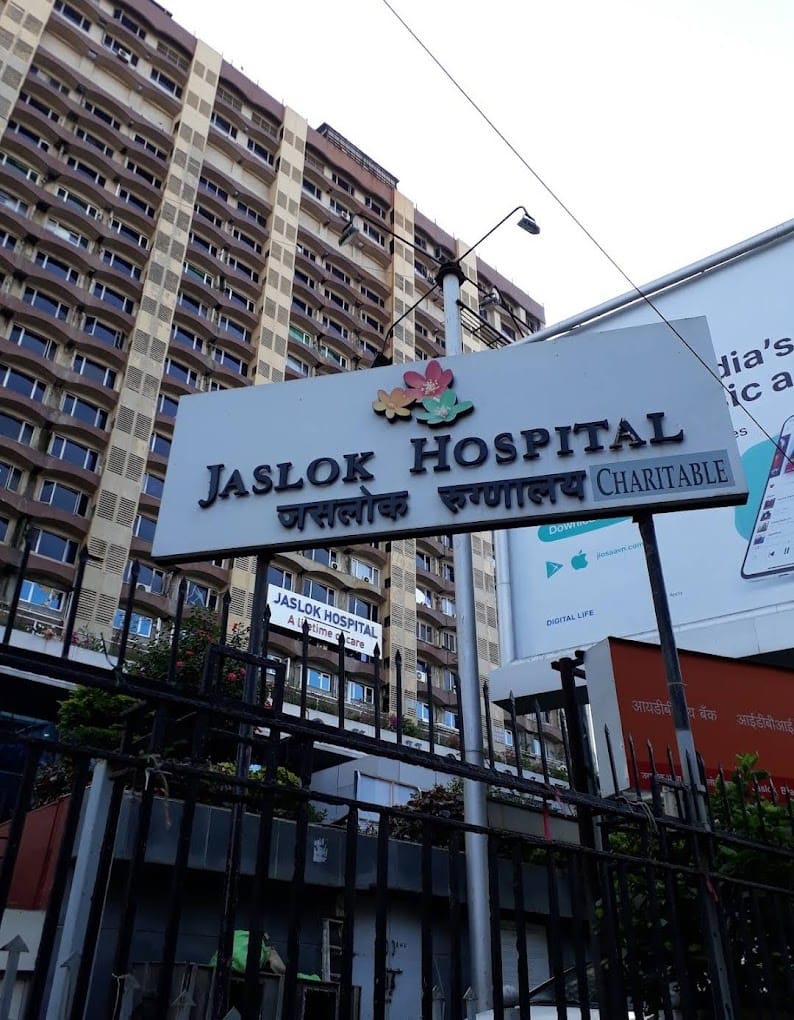
A trusted medical partner that strengthens specialist access and raises the overall standard of patient care.
We provide 24/7 professional dental help for all clients of our clinic.
0% EMI
Start with a convenient online booking and tell us what you would like to improve.
Book NowExpert Guidance
Meet the team in person for a focused consultation, evaluation, and treatment discussion.
Book NowFree X-Ray
Get a clear plan, transparent recommendations, and the next best step for your smile.
Book NowThe review block on these archived treatment pages repeated the same trust signals, so this rebuild keeps a representative set of them here.

15:36 01 Oct 24
The clinic is well decorated and pristine. All the four dentists there are very experienced and super welcoming. Best place in Bandra for any dental work.

10:45 29 Sep 24
I went for a normal checkup but was amazed to experience laughing gas. They gave me a totally pain-free experience.

10:37 29 Sep 24
I went to Nitro Dentists with my friend and it was a really amazing experience. The doctors were supportive and reassuring.
10:19 19 Jul 24
Good service, friendly doctors, and an overall smooth experience with Nitro Dentists.

10:30 06 Jul 24
Affordable implants are available at Nitro Dentists. Amazing care and attention throughout the treatment.

15:23 01 Jul 24
Affordable dental care is hard to find, but Nitro Dentists in Mumbai delivers top-notch care at a reasonable price.
Dr. Saurabh Chalke, Oral Cancer Specialist and Maxillofacial Surgeon, is based at our Hiranandani Estate clinic: A-206, Hamilton Tower, near Hiranandani Hospital, Thane West 400607. Call +91 97695 42122 to arrange a surgical consultation. If you are nearer Majiwada, our Lodha Paradise clinic (+91 97696 52122) can see you first and guide you on the next step. Bring any X-rays, scans and reports you already have.